







Search Results for: Light Medium Dark Roast
Light, Medium, and Dark Roasts for Pour-Over Coffee | What Are the Flavor Characteristics of Coffee Beans at Different Roast Levels? Do Light, Medium, and Dark Roasts Taste Very Different in Pour-Over Coffee?
For more specialty coffee knowledge, please follow: Front Street Coffee (Frontsteet Coffee) The roast level of coffee beans determines the direction of the coffee's flavor. Many coffee shops label the roast level on the coffee beans they sell, such as light roast, medium roast, cinnamon roast, etc., which makes it easy for beginners [more…]
Recommendations for Non-Acidic Coffee Beans | What Are the Characteristics and Differences of Light, Medium, and Dark Roast Coffee Beans? What Water Temperature Is Suitable for Brewing Light, Medium, and Dark Roast Coffee Beans?
Some friends have pointed out that "Front Street's coffee beans don't have any indication of roast level." In response, Front Street plans to use an article to share knowledge about coffee roast levels with everyone. I believe that most people's understanding of coffee bean roast levels is basically that if it's sour, it's a light roast, and if it's bitter, it's a dark roast. Of course, as people in the industry [more…]
Coffee Roast Levels | What's the difference between dark, medium, and light roasted coffee beans? Is medium roast coffee bitter when brewed as pour-over? Recommended single-origin light, medium, and dark roast coffee beans suitable for pour-over
The darker the coffee is roasted, the more the acidity in the coffee is destroyed, replaced by more caramel flavors, smoky notes, and bitterness. Based on their understanding of different coffee beans, roasters use different roast levels to bring out the unique flavor state of beans from different origins and varieties. For example, preserving the beans' bright fruit acidity or floral notes. [more…]
Choosing SOE Beans by Roast Level: How to Drink Light, Medium, and Dark Roasts
SOE refers to single-origin coffee used for espresso extraction. The roast level of the beans directly affects the aroma, acidity, sweetness, body, and aftertaste of the shot. Light roast does not equal sour, medium roast is not just a compromise, and dark roast is not synonymous with bitter. With the same espresso machine, start by judging the texture you want in the cup based on roast direction, and your bean selection range will [more…]

How to Choose Latte Beans by Roast Level: Milk Coffee Performance of Light, Medium, and Dark Roasts
Latte doesn't have to be made with dark roast coffee beans. Once milk is added, the acidity and aroma of the coffee become softer, while the sweetness and smoothness become more pronounced, so different roast levels can all produce milk coffees with distinct personalities. When choosing, you can first imagine whether you want to taste fruity notes, caramel, or a rich flavor like dark chocolate. Roasting [more…]
Moka Pot Americano: How to Choose Between Light, Medium, and Dark Roasts
Coffee brewed with a moka pot is quite concentrated, and even after diluting it with hot water, it still retains a distinct aroma and flavor. The roast level of the beans determines whether this americano leans bright, sweet, or full-bodied. When choosing, you can first check the package for light, medium, or dark roast, then factor in the level of acidity you can tolerate, the texture you prefer, and [more…]
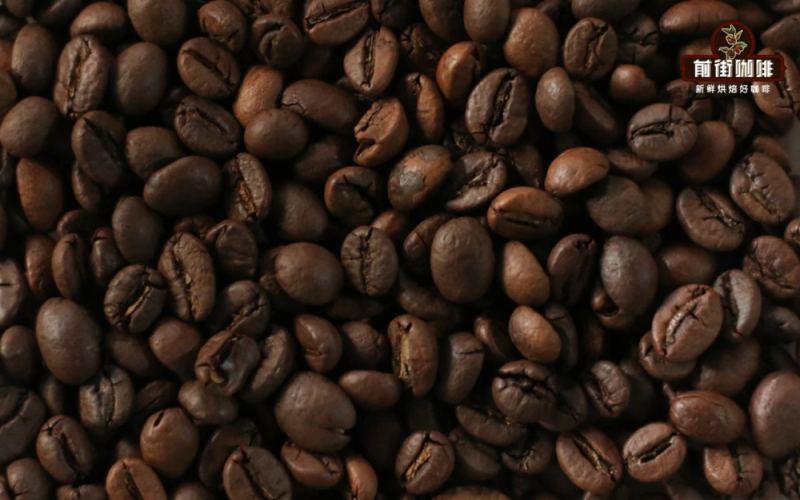
Introduction to Coffee Bean Roasting Stages | What Are the Differences and Characteristics of Dark, Medium, and Light Roasts? A Comparison of Flavor Changes in Coffee Beans at Different Roast Levels
In the past, most people's impression of coffee was that it was dark roasted, offering a burnt, rich, and bitter taste. Nowadays, with the introduction of the specialty coffee concept, dark-roasted coffee beans are no longer considered the best, and light-roasted and medium-roasted coffee beans have gradually become the mainstream of the third wave of coffee. Front Street Coffee (Fr [more…]

How to Choose Between Light, Medium, and Dark Roasts for a Moka Pot
Coffee brewed with a moka pot is usually more concentrated than pour-over and feels heavier on the palate, so the roast level directly shapes the character of the cup. Light roasts tend toward bright, fresh aromatics; medium roasts strike a balance between sweetness and body; dark roasts more readily show cocoa, nut, and roasted notes. First, consider what you expect from your [more…]
Yirgacheffe Starter Guide: How to Choose Between Light, Medium, and Dark Roasts
The flavor range of Yirgacheffe is very broad, and the roast level takes it in different directions: a light roast makes it easier to taste floral notes, citrus, and berries; a medium roast brings out more sweetness and smoothness; a dark roast moves toward cocoa, nuts, and a heavier mouthfeel. Beginners may want to check the roast label first, then decide which kind of cup they want to start getting to know this [more…]
Light roast, medium roast, dark roast: how do espresso beans differ in the cup?
The roast level of espresso beans directly affects the aroma, sweetness, acidity, and mouthfeel of the espresso. Using the same espresso machine, light-roasted beans may present bright fruity notes, medium-roasted beans are more likely to deliver rounded sweetness, and dark-roasted beans bring cocoa, nutty, and roasted notes. First understand the three approaches, then combine them with the black coffee you usually drink. [more…]
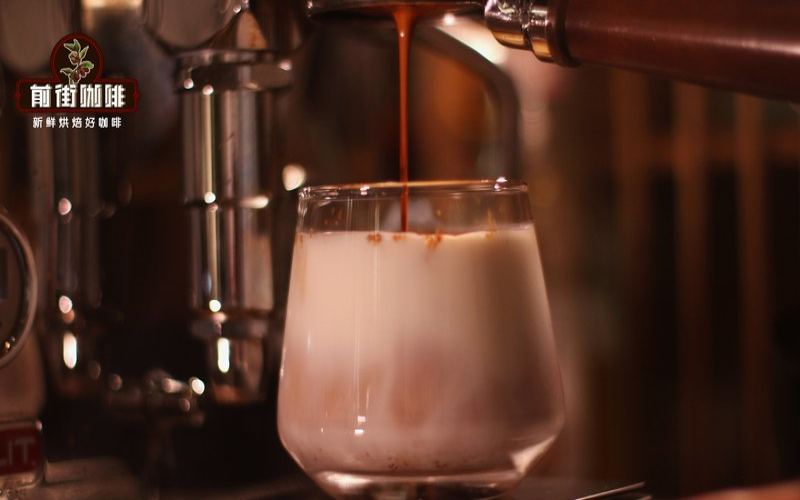
Nutty and Cocoa Flavors: How Drinking Methods Differ Across Light, Medium, and Dark Roasts
If you want to drink coffee with notes of nuts, cocoa, and caramel, the roast level is a very practical starting point. Light-roast beans tend to retain more of their origin character, and nutty and cocoa notes may be hidden behind the sweet aroma; medium roast more easily brings nutty aromas, chocolate notes, and sweetness together in the same cup; dark roast pushes the flavor toward roastiness, dark chocolate, and a full [more…]

Coffee Machine Bean Selection Guide: From Light to Dark Roast, Find Your Perfect Taste
Espresso machines brew quickly and at high pressure, so the roast level of the coffee beans directly affects the acidity, sweetness, aroma, and body on the palate. If you enjoy bright fruity notes, start with a light or light-to-medium roast; if you prefer nutty, cocoa, and smooth flavors, a medium to medium-dark roast is easier to get used to; and if you often drink lattes or cappuccinos, you can focus your attention [more…]
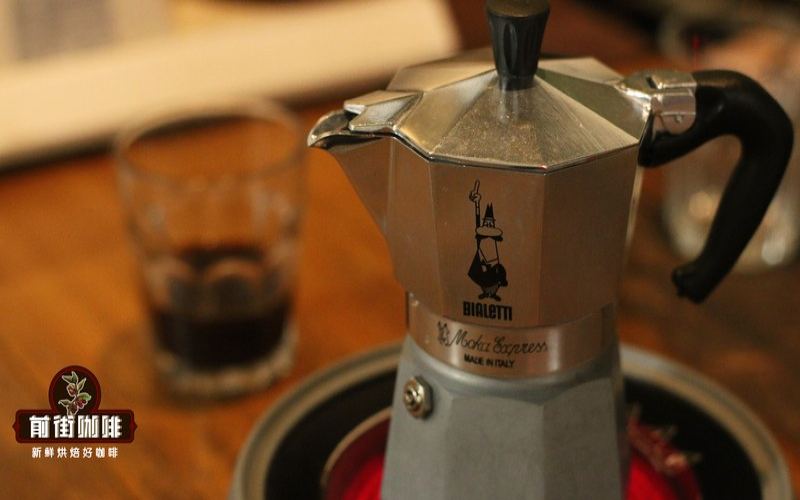
How to Choose Specialty Coffee Beans for Espresso? From Light to Dark Roast, Based on Flavor and Brewing Method
The flavor of an espresso is often set in its general direction by the roast level. Light roasts tend to preserve bright acidity and fruity notes, medium roasts place sweetness, aroma, and body in a more balanced position, while medium-dark and dark roasts gradually move toward nutty, cocoa, and roasted notes. When choosing beans for a home espresso machine, you can treat the roast level as [more…]
From Light to Dark Roast: What's the Difference Between Blends and SOE?
There is no fixed answer as to whether blended beans or SOE taste better; what truly creates the gap is often the roast level. Blended beans can be light-roasted, medium-roasted, or dark-roasted, and the same goes for SOE; the former emphasizes the harmony of multiple beans, while the latter highlights the character of a single origin or lot. Look at the roast direction first, then decide what you want. [more…]
How to choose Yirgacheffe by roast level, with recommendations for light, medium, and dark roasts
The floral aroma, citrus acidity, and tea-like body of Yirgacheffe often shift their focus depending on the roast level. Beans from the same region can be bright and light at a light roast, sweeter and richer at a medium roast, and turn fuller and more roasty at a dark roast. When your budget is limited, choosing according to the roast direction you will actually drink makes it easier to get a satisfying [more…]

Choosing Beans for a Moka Pot by Roast Level: How to Brew Light, Medium, and Dark Roasts
Coffee brewed in a moka pot is quite concentrated, and as hot water passes through the coffee bed it also brings out a pronounced roasted note, so the roast level directly shapes the first impression on the palate. Light, medium, and dark roasts are not simply a ranking of intensity but three different flavor focal points: light roasts lean toward aroma and sweet-tart brightness, medium roasts emphasize balance, and dark roasts highlight richness and [more…]
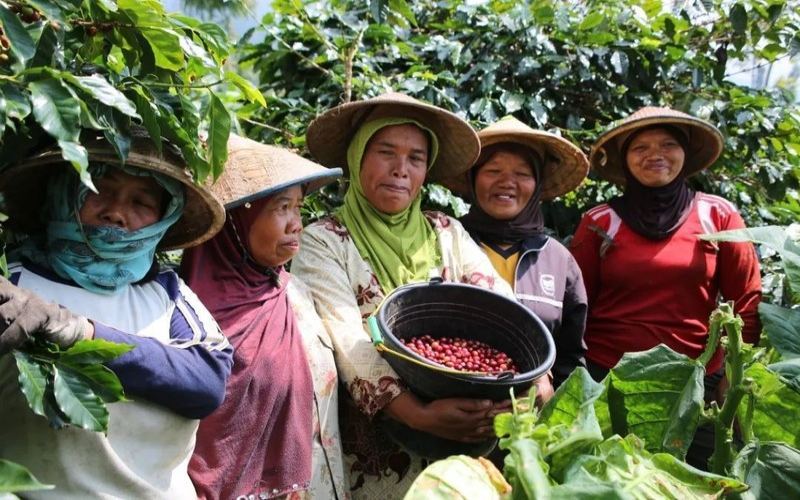
How to Choose Freshly Roasted Coffee Beans: Light, Medium, or Dark Roast
When a cup of coffee hits your palate, is it bright fruit acidity, gentle sweetness, or a cocoa-like heaviness? The roast level often determines the direction earlier than the name of the origin. When facing the bean list of a freshly roasted brand, you can first look at light, medium, or dark roast, then combine that with your usual brewing method and the range of flavors you can accept, and your choice will be more confident. Light roast beans [more…]
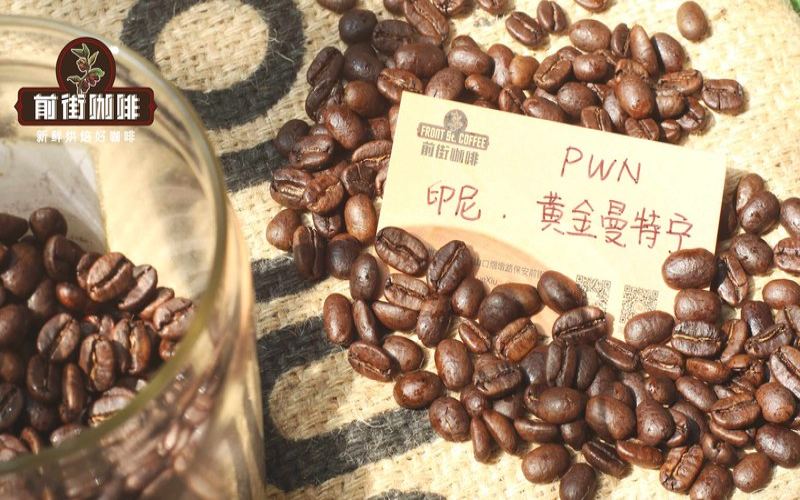
How to Choose Everyday Espresso Beans: A Flavor Guide from Light to Dark Roast
For everyday espresso beans, you don't have to fixate on "strong" or "bitter." The roast level shapes the aroma profile, sweetness, and the body of the espresso, and it also determines whether the coffee can hold its own once water, ice, or milk is added. If you want your daily coffee to be easy to drink, you can start by looking at light, medium, medium-dark, and dark roasts. [more…]
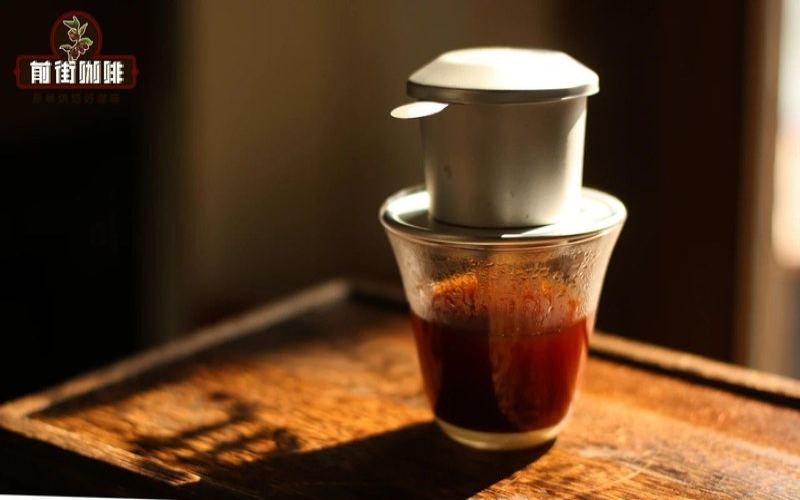
What roast level should you choose for a latte? Exploring flavors from light to dark roast
The core of a latte is espresso and milk, and the roast level of the beans determines how prominently the coffee comes through in the milk. Light roasts tend to retain livelier acidity and fruity notes, medium roasts easily bring out sweetness and a rounder mouthfeel, while dark roasts lean toward cocoa, nutty, and roasted aromas. If you want to choose with ease, you can first determine whether you want your latte to be more [more…]
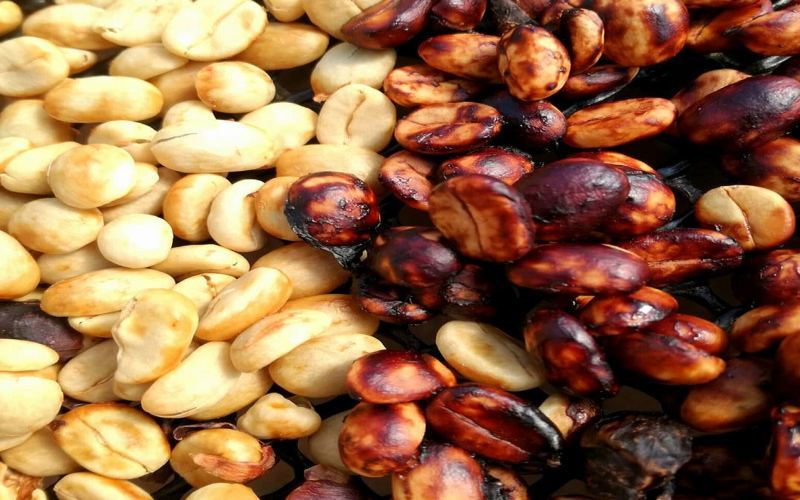
Cocoa Aromas from Light to Dark: How to Choose Coffee Beans for a Moka Pot
If you want to brew cocoa-flavored coffee with a moka pot, when choosing beans you can first look at the roast level, then decide whether you want the soft sweetness of milk chocolate or the rich, lingering finish of dark chocolate. The darker the roast, the more prominent the cocoa, nutty, and roasted notes usually are; a lighter roast tends to preserve more fruity acidity, floral notes, and brightness. [more…]